
The Onani Literacy Initiative
Preserving Heritage. Unlocking Potential. Changing Lives.
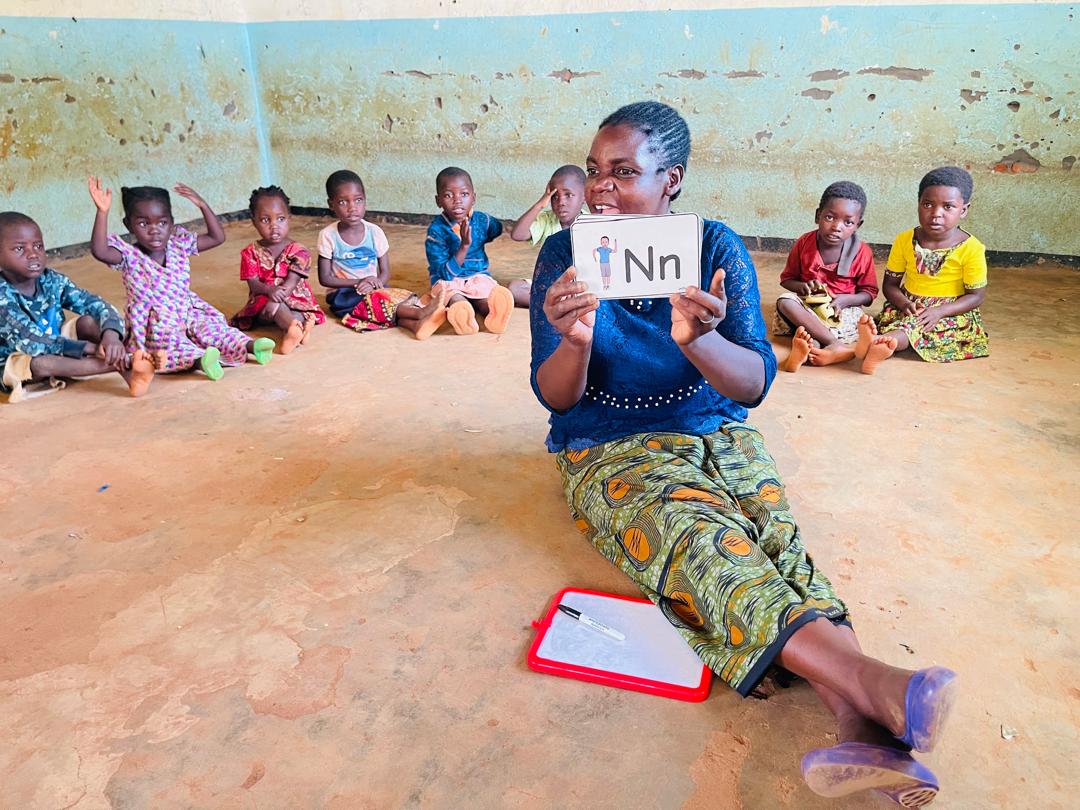
The Mission: A Ministry of Service
 “I am driven by the belief that every child deserves the opportunity to fulfil their God-given potential. My own journey began with a struggle to read and write, until my father devised the unique method that unlocked literacy for me. Now, I offer that same chance to others. My ministry cares for the whole child by providing education, food, and safety, ensuring they grow with dignity. I am dedicated to holding open for others the same door my father opened for me.”
Why This Matters: The Evidence of Crisis
Malawi faces a quiet crisis defined by staggering statistics that demand a compassionate response. UNESCO (2022) reports that 87% of ten-year-olds suffer from “Learning Poverty” and cannot read simple stories. Furthermore, the World Bank (2020) warns that today’s children will only be 41% as productive as they could be. Combined with a widening digital gap identified by the World Bank (2021), we are losing human potential before it develops, creating an urgent moral need for intervention.
The Evolution: Testing for Simplicity
The Onani Literacy Kit is the result of years of rigorous field testing and diaconal work in rural Malawi. In a “Proof of Simplicity” pilot conducted during the 2020 stress tests, I trained a 12-year-old named Shalom to teach younger children. The results were immediate, with students mastering letters quickly. This confirmed that our curriculum is so intuitive that even a child can teach it, validating the model’s ease of use before broader implementation.
Proof of Speed: The Bunda Village Trial
To prove the system’s speed, we launched a “catch-up” trial in Bunda Village using community volunteers. Despite receiving only brief training, these volunteers successfully taught local children to read and write key words like “Ana”.
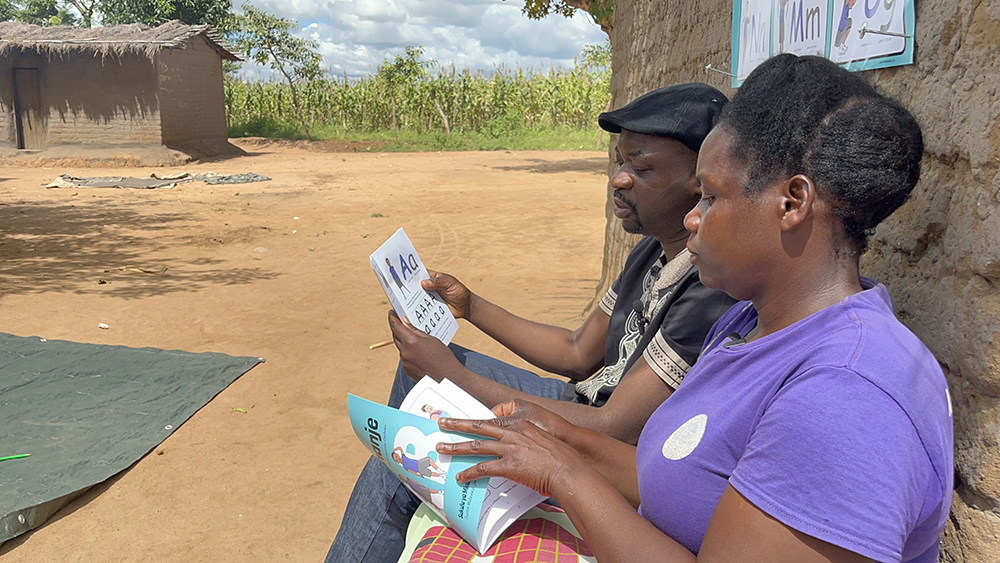
This success demonstrated the project’s “turn-key” potential, proving that highly specialised teachers are not required to deliver effective literacy education in these under-resourced communities.
Proof of Engagement: Gamifying Literacy
We pioneered active learning techniques to ensure long-term retention of these lessons. Through the “Point at A” trials, we converted abstract lessons into physical games, having children sing and search for letters. This gamification approach proved that literacy rates improve significantly when learning involves physical play. These successful pilots laid the solid groundwork for the scalable Onani system we use today.
The Solution and Impact: Scalable Literacy Kits
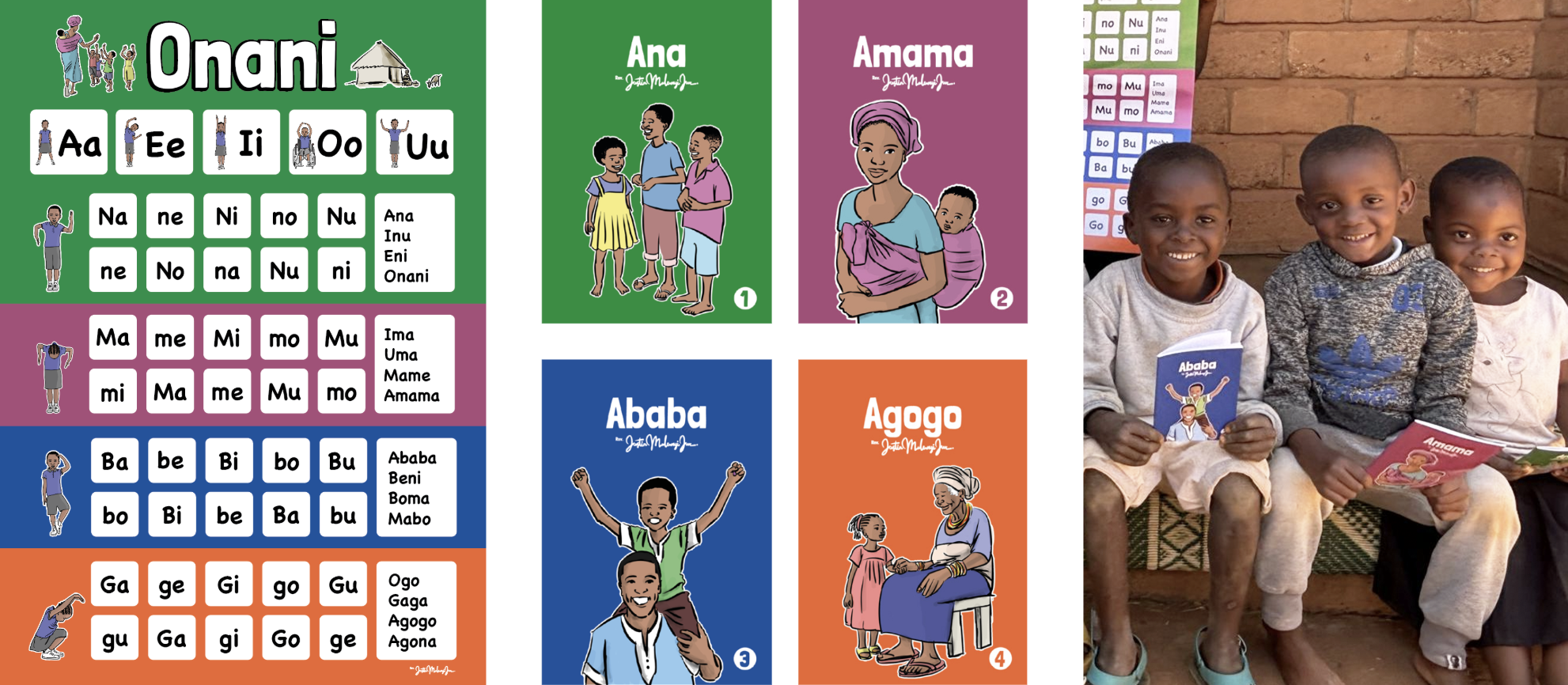
Building on those successful pilots, I developed the Onani Literacy Kit as a low-cost tool for mass adoption. We utilise a proprietary phonetic system tailored to the Chichewa language to unlock reading skills quickly.
The result is transformative: by the end of the course, passive students become active readers who own four storybooks, fostering a deep sense of ownership over their language and culture.
Fuelling Potential: The Feeding Programme
My ministry recognises that a hungry child cannot learn effectively. To ensure children have the energy to concentrate, we provide a hot, daily meal of fortified porridge to 500 children every day. This meal is a carefully balanced blend of maize and soya designed to boost immunity. By filling their stomachs, we are fueling their minds and removing hunger as a barrier to their education.
Bringing Tech to the Village
We are bridging the digital gap by combining traditional skills with modern technology. Malawian children already build complex toys from wire, so we introduced programmable modules to this process. Working with a student named Peterson, we turned a wire car into an engineering project. This initiative takes the cultural knowledge children already possess and adds the computing skills they need for the future.
Creating Young Authors: From Readers to Storytellers
I believe literacy is not just about reading; it is about finding one’s voice. I am working to move children from being passive consumers of content to active creators of culture.
In Malawi: The Mkaka Village Project
In Mkaka Village, I was given a space which I transformed into a sanctuary of imagination. To root the learning in local culture, I decorated the room with beloved characters from Malawian folklore, including Kalulu the rabbit, Njovu the elephant, and Nungu the porcupine. I commissioned a local carpenter to craft a bespoke bookshelf designed to look like a traditional African hut.
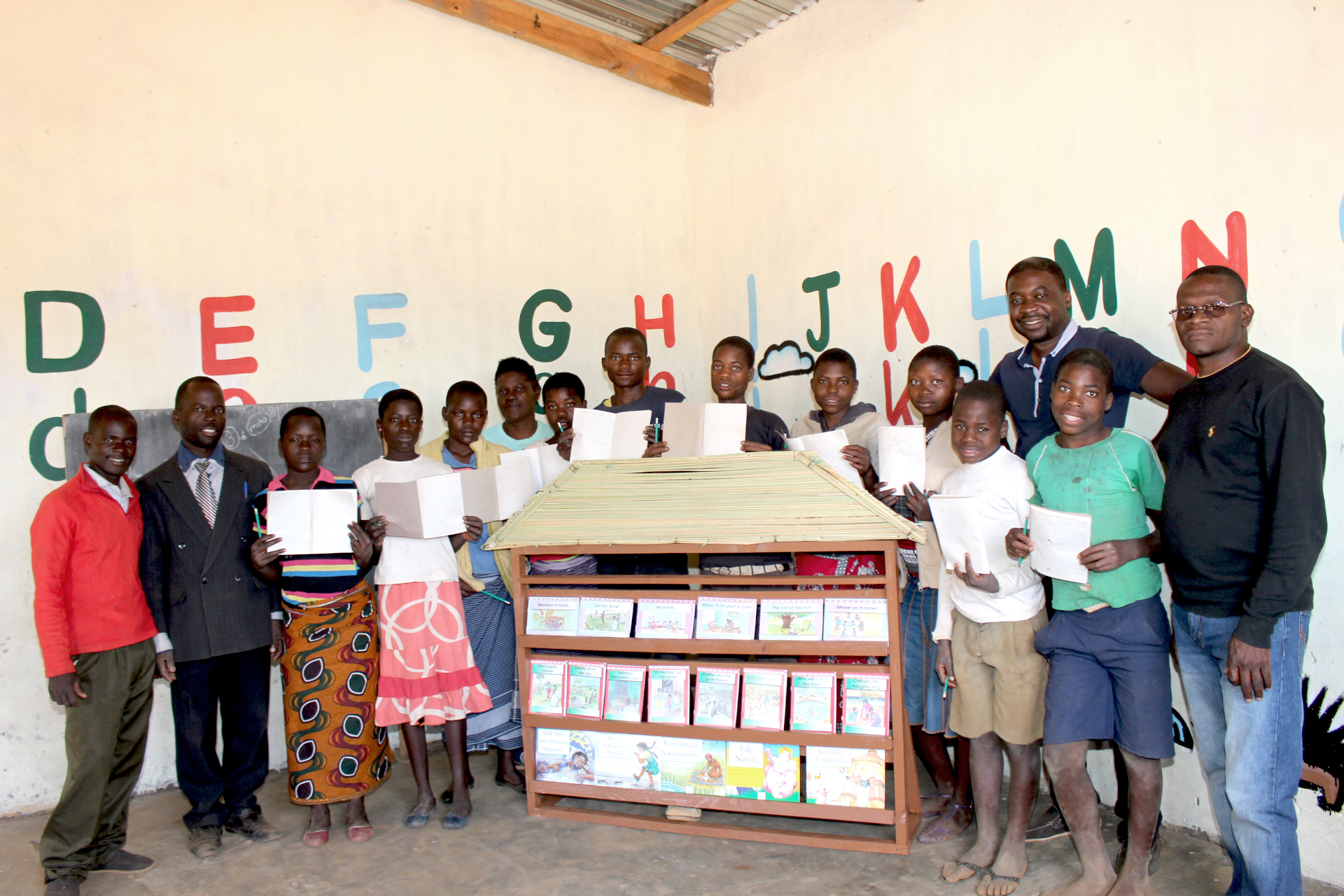
This cultural familiarity lowered the barrier to entry. We displayed the books, and the young people selected stories for inspiration. I then encouraged them to write their own stories, which they did and shared with pride—preserving their heritage and expressing their dreams.
In the UK: Mentoring the Diaspora
This vision extends to the diaspora. I have mentored children like Zara Okocha in creative writing and digital illustration. Proving that expensive software is not necessary, I taught Zara to write and illustrate using standard tools like PowerPoint. Her debut book focused on women’s empowerment, but her impact has grown into a family mission. Working alongside her sister, Renee Okocha, Zara has authored over 50 children’s books by 2026.
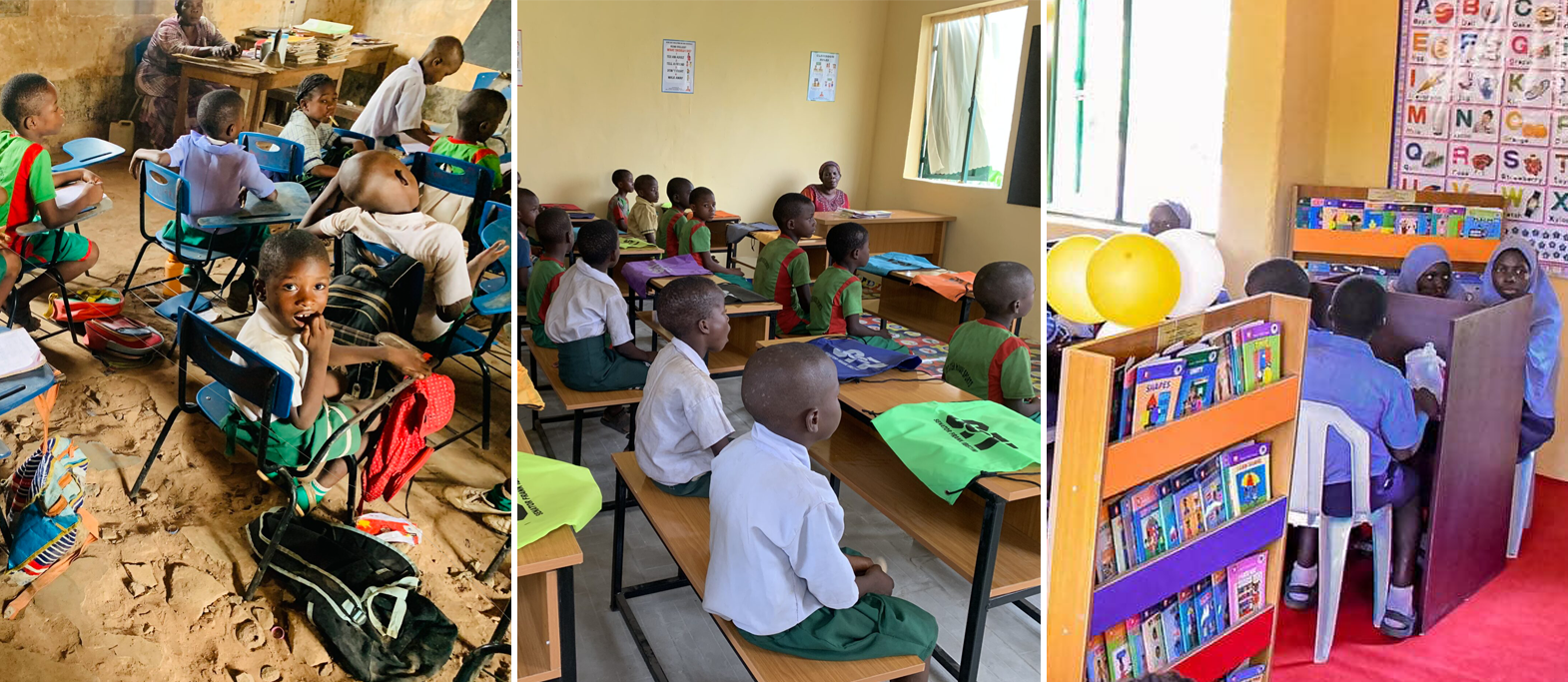
However, their contribution goes far beyond the page. When the sisters donate their books and shelves to schools in Nigeria, they also physically renovate dilapidated classrooms. They take decaying structures and transform them into vibrant, dignified spaces where children can learn with excitement.
Protecting Our Children: Legal Advocacy
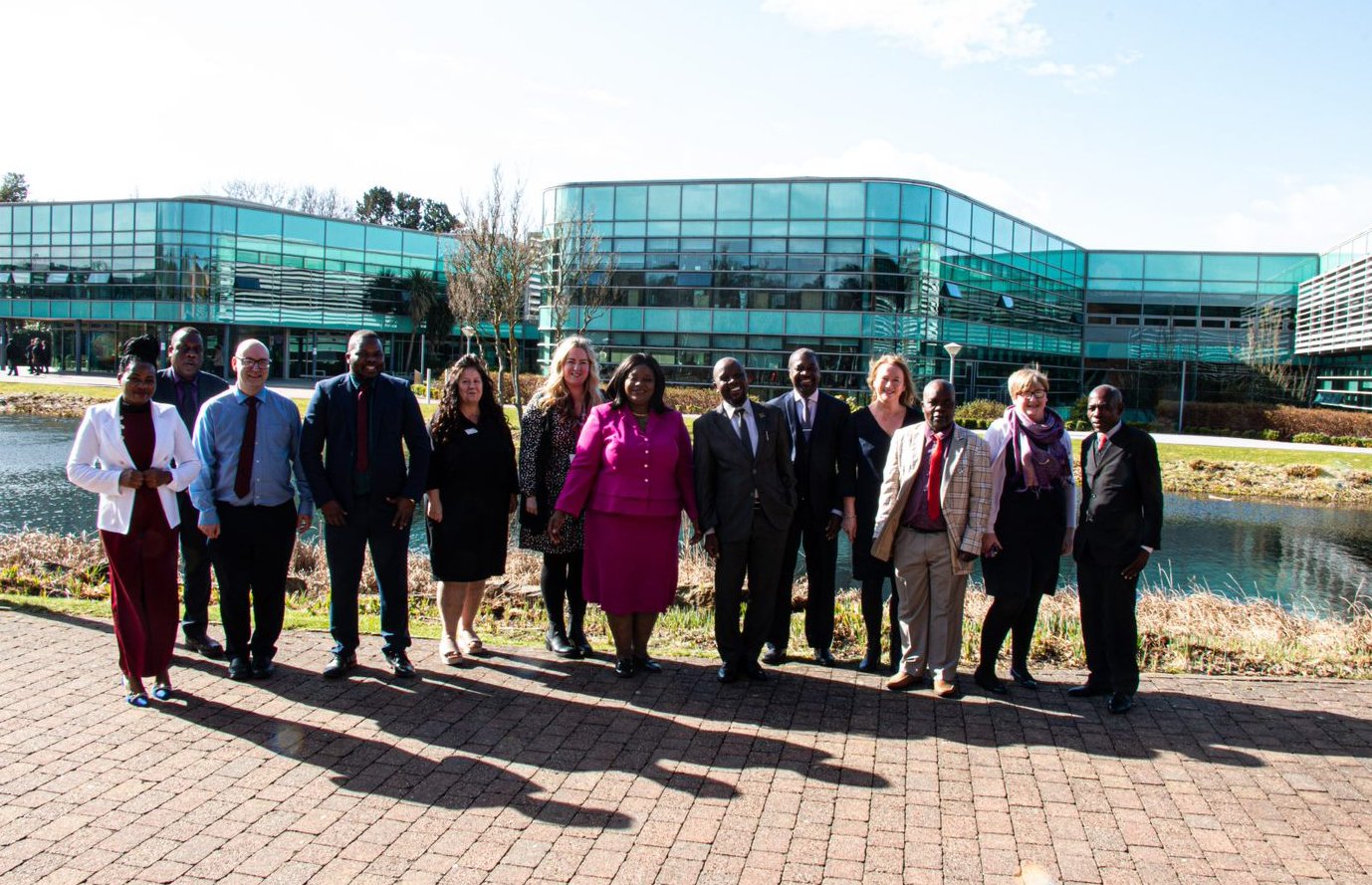
My diaconal service extends beyond the classroom into legislative advocacy, because education requires safety. I organised a delegation of Malawian officials to visit the UK for knowledge exchange in child welfare best practices. This collaboration was instrumental in drafting Malawi’s Child Care, Protection, and Justice Act. Today, this vital law provides the legal framework necessary to protect millions of vulnerable children from exploitation and abuse.
The Big Vision: The Research Centre
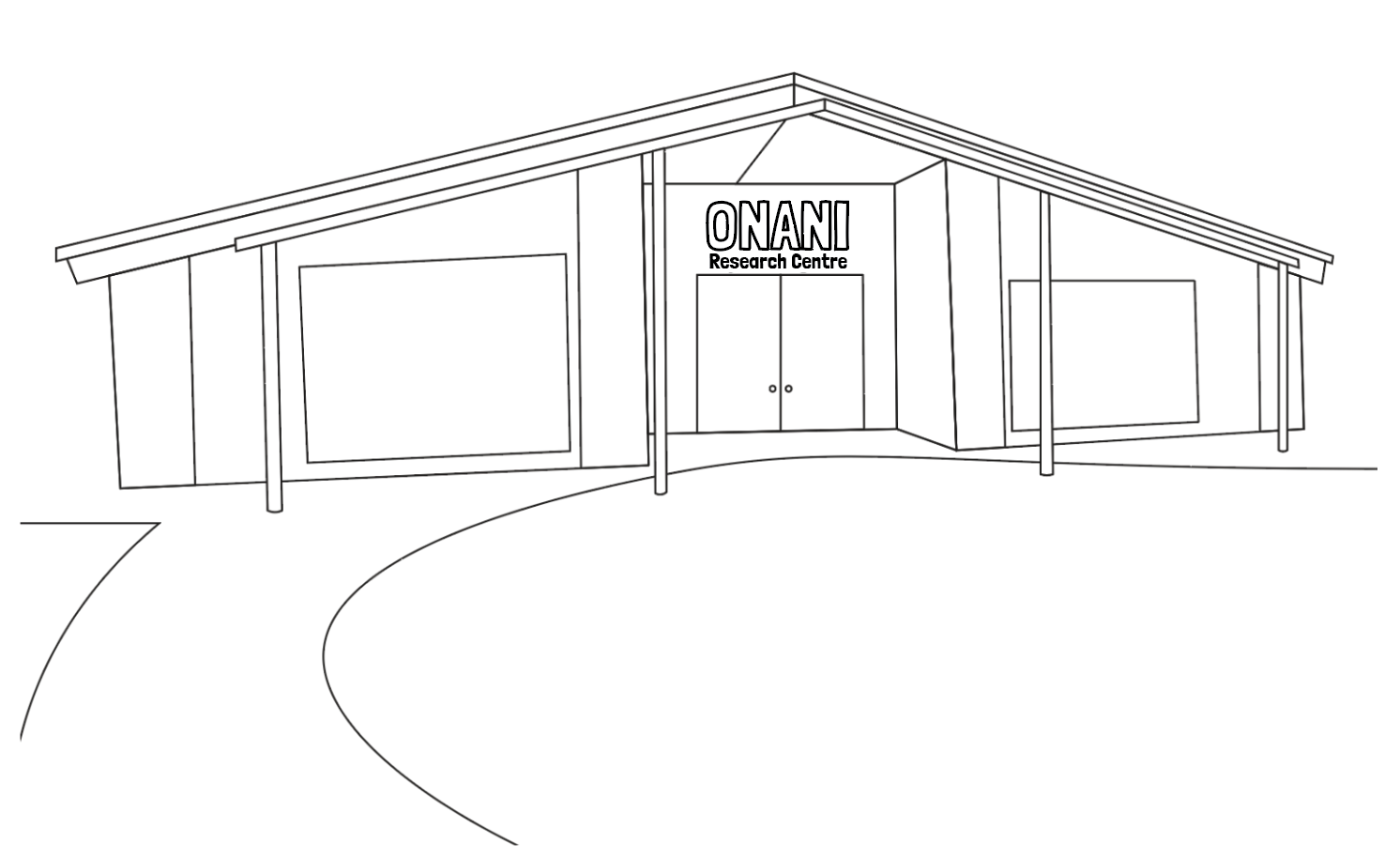
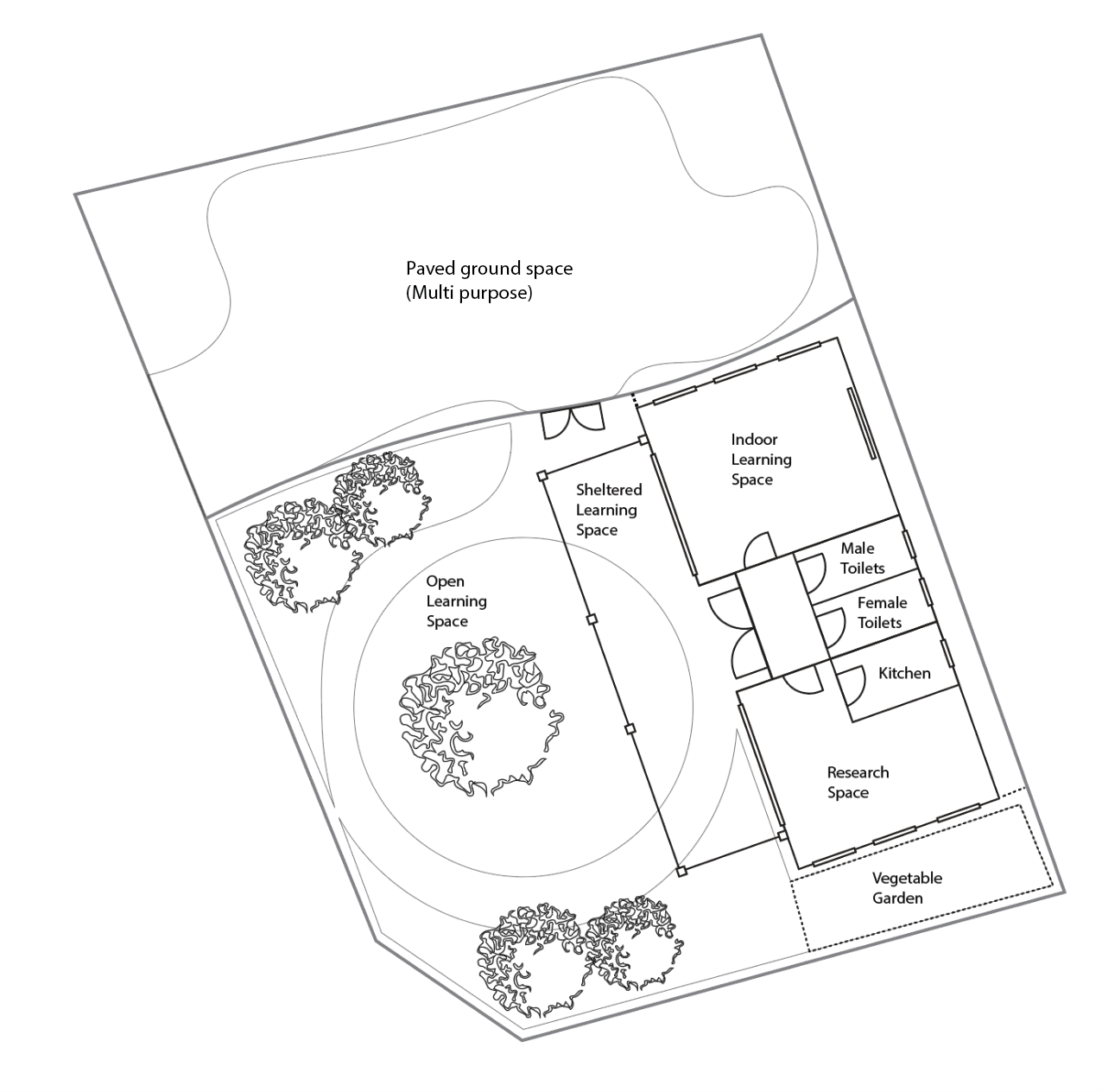 My ultimate goal is to establish the Onani Education Research Centre to inform national policy. We need rigorous data to prove that indigenous-language instruction and practical technology are the best paths forward. By gathering this evidence, we aim to influence the Ministry of Education and scale these proven solutions across the entire country to benefit every Malawian child.
How You Can Help: Build the Legacy
To realise this national vision, I am specifically seeking founding sponsors and capital partners to help construct the Onani Education Research Centre. This facility will not merely be a building; it will be a strategic hub for data collection and teacher training that validates our methodology for government adoption. By sponsoring this centre, you are not just funding infrastructure; you are investing in a permanent legacy that will systematically reshape Malawi’s educational policy. I invite foundations, corporate partners, and philanthropists to join me in establishing this cornerstone of future learning.
Please get in touch: Deacon Justin Malewezi Our Lady Queen of Martyrs & St Swithin’s Catholic Church, Stonebridge Lane, Croxteth, Liverpool, L11 9AZ, UK Email: j.malewezi@rcaol.org.uk