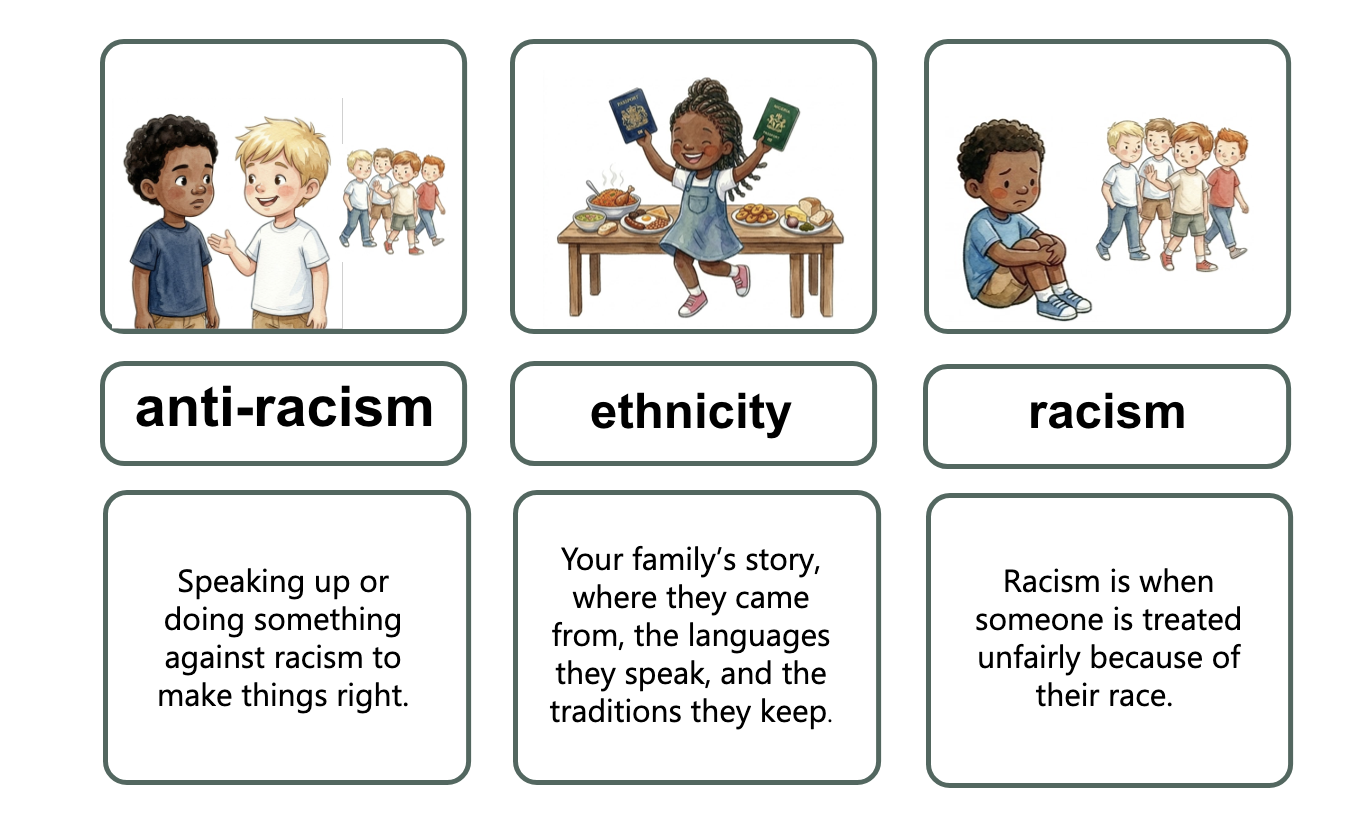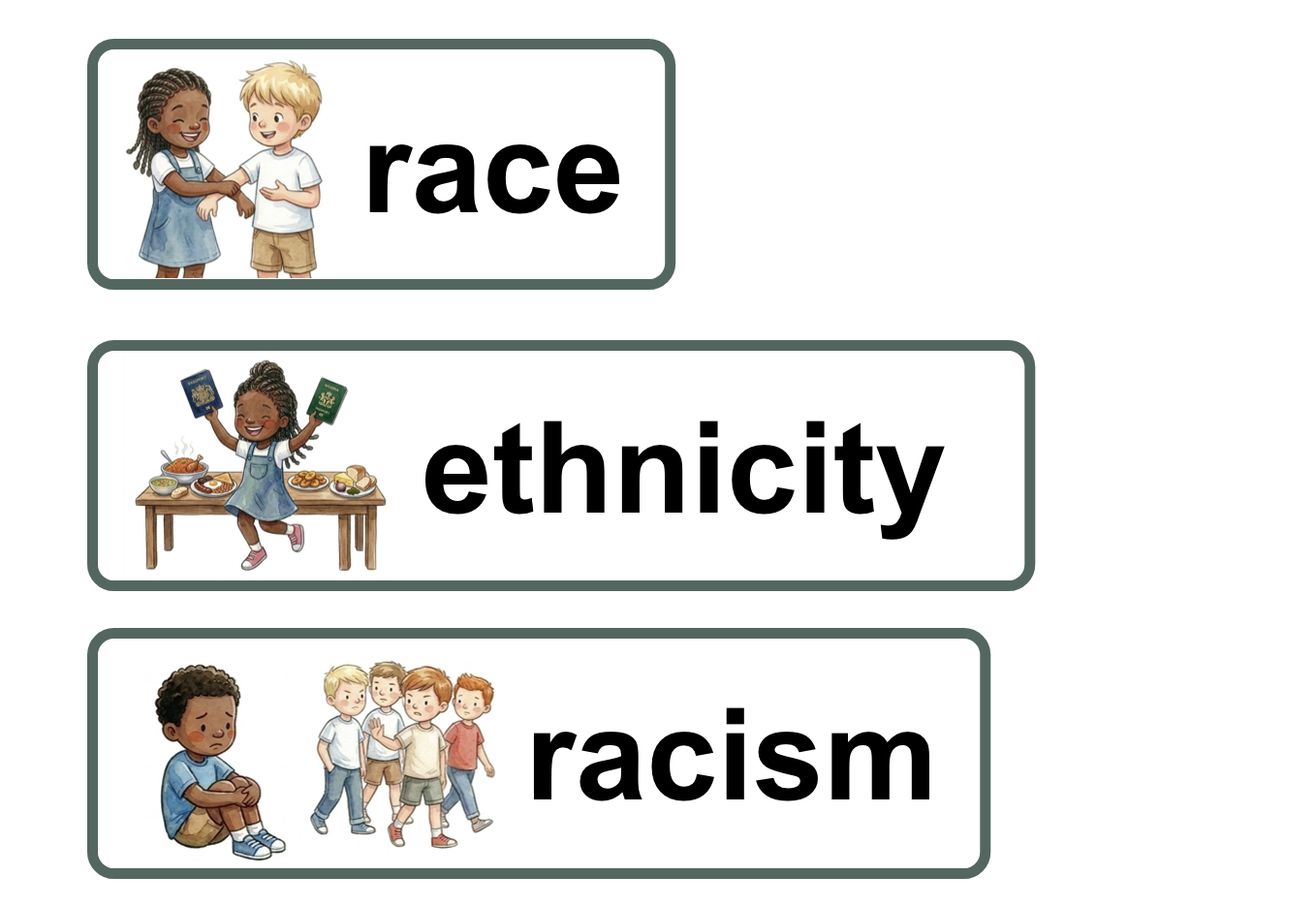
Teaching young children aged 5–7 using the book “Race” will hopefully translate complex theological concepts into lived experiences. This good practice can be shared through both the Statutory Inspection of Anglican and Methodist Schools (SIAMS) and the Catholic Schools Inspectorate (CSI) frameworks.
SIAMS Framework
IQ4: How does the school’s theologically rooted Christian vision create a culture in which pupils and adults are treated well?
Using the book in the classroom builds this culture by:
-
- Modelled Wellbeing: The story of the friends welcoming Kizito provides a clear “effective strategy” that helps pupils understand how to support those who may feel vulnerable or excluded, directly enhancing the school’s “culture of care”.
- Dignifying Language: It equips 5–7-year-olds with the vocabulary (such as race, ethnicity, and dignity) needed to discuss identity respectfully, ensuring that all members of the community are “treated well” through informed and kind dialogue.
IQ5: How does the school’s theologically rooted Christian vision create an active culture of justice and responsibility?
The book transforms passive kindness into active justice by:
-
- Courageous Advocacy: Tom’s decision to speak up for Kizito provides a developmentally appropriate model of “courageous advocacy”. It teaches children that it is their “responsibility towards others” to fix unfair situations, even if they didn’t start them.
- Ethical Choice-Making: Through the “Group Talk” prompts, children are challenged to think ethically about fairness and racism. This empowers them to be “agents of change” on the playground, moving from being bystanders to active practitioners of anti-racism.
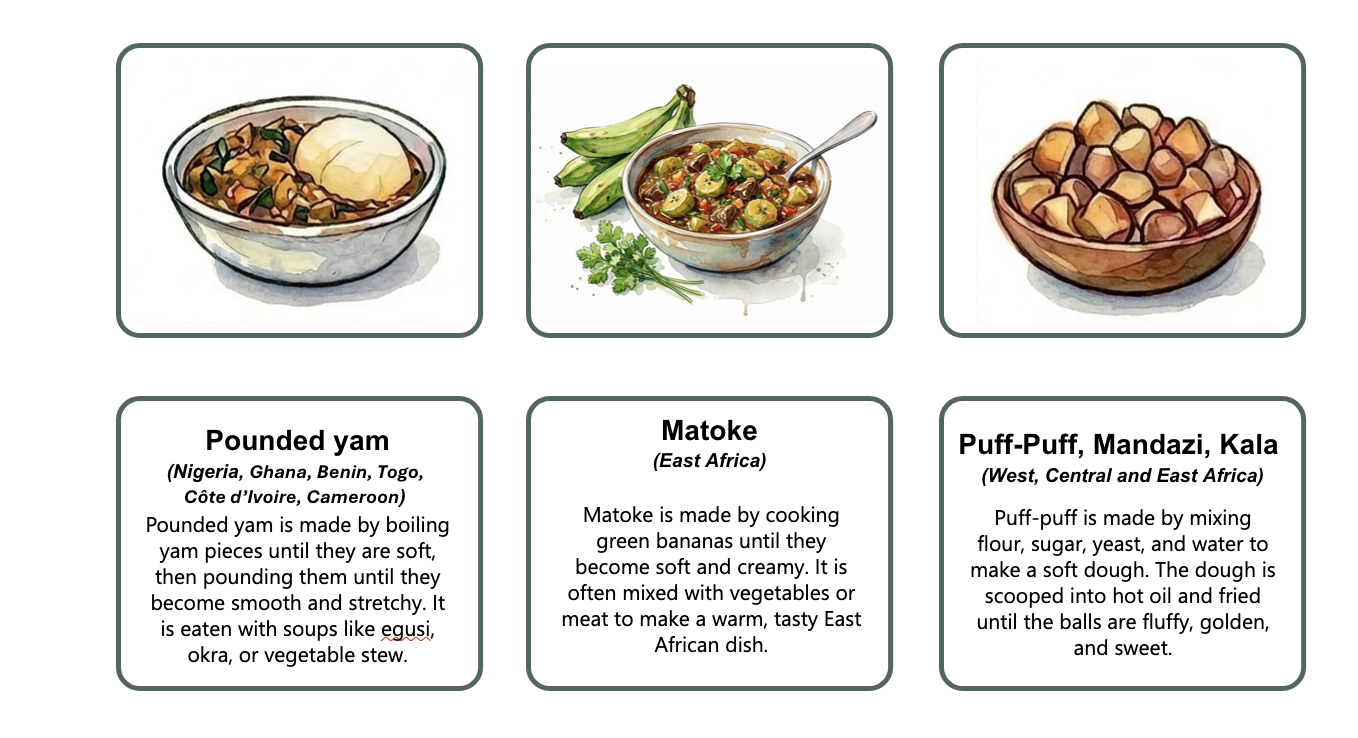
- Global and Local Justice: By celebrating Amaka’s Nigerian heritage and Afrobeat music, the book encourages a “culture of justice” that respects global diversity and challenges prejudice at a foundational age.
CSI Framework
Catholic Life and Mission (89): Understanding they are valued and loved as unique persons, made in the image and likeness of God.
Teaching with this book impacts this area by:
-
- Theological Grounding: By using the “full bucket of dignity” metaphor rooted in Genesis 1:27, children move beyond a surface-level understanding to a deep-seated belief that their value is an inherent gift from God, not something they have to earn.
- Celebrating Uniqueness: The story teaches children to value their own skin colour and ethnicity—and that of their peers—as intentional reflections of God’s creativity.